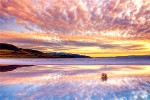
Norris Geyser
Mammoth Hot Springs
Free hat
Yellowstone National Park Grand Canyon
Upper and Lower Falls
Enjoy a full day exploring Yellowstone National Park. Shaped like a figure “8”, today we will take you to discover its upper loop. As America’s top national park, Yellowstone amazes at every turn, with stunning scenery even along the roads.
First visit Norris Geyser Basin (10:30–11:30 am), the most active geyser area in Yellowstone. Walk along the wooden boardwalks and feel the warmth of geothermal activity. From above, the area resembles a spilled palette of vivid colors.Next, explore the famous Mammoth Hot Springs (12:30–1:30 pm), the world’s largest known carbonate-depositing hot spring. Hot water cascades down the hillside in colorful terraces. After crustal activity ceased, lone trees and barren rocks lend a wild, desolate beauty.Then admire Liberty Cap (1:45–2:00 pm), a unique rock pillar formed by nature.Following the Yellowstone River, you will reach the spectacular Grand Canyon of the Yellowstone (4:00–5:00 pm). At the famous Artist Point, marvel at the breathtaking Yellowstone Falls plunging powerfully through the canyon. You will be deeply impressed by the magnificent scenery.Overnight in a town near Yellowstone.
Norris Geyser Basin
The hottest and most unstable geyser area in Yellowstone. It is home to Steamboat Geyser, the world’s tallest geyser, which erupts unpredictably (last erupted in 2008) and once reached a record height of 380 feet. The springs display vivid colors, from clear turquoise to milky blue-white. Due to its instability, new springs form and old ones cease activity every year.
Mammoth Hot Springs
The world’s largest known carbonate-depositing hot spring, famous for its colorful travertine terraces, similar to Huanglong in Sichuan but with hot springs instead of cold springs. Before the 2002 crustal movement, hot water flowed down the slopes supporting colorful bacteria. After most springs stopped flowing, the microbes died, leaving pale gray mineral terraces.
Liberty Cap
A famous rock pillar about 11 meters high, named for its resemblance to the caps worn by patriots during the French Revolution. It formed from mineral deposits left by hot springs that shifted course or dried up over time.
Grand Canyon of the Yellowstone
The canyon area in central Yellowstone features dramatic, deep gorge scenery and waterfalls. On sunny days, rainbows often span the canyon. Long-term river erosion created brilliantly colored cliffs in yellow, orange, brown and red, giving Yellowstone its name. The canyon resembles a classic Chinese ink painting.
Yellowstone Falls
Formed by the Yellowstone River rushing through the Grand Canyon. The powerful falls create dazzling light reflections, with canyon walls shifting from orange to deep red like flowing ribbons.