


The best time to visit Canada depends on the region: June to August for Banff and the glacier lakes, mid-September to mid-October for fall colors in Ontario and Quebec, and late August through early April for the northern lights in Yellowknife. This guide covers the seasons, destinations, park opening dates, budgets and day-by-day itineraries for three Canada tours we operate.
Canada spans several climate zones, so the best time to visit depends heavily on where you're headed. For snow-capped peaks and glacier-fed lakes in Banff National Park, aim for June through August. For fall color in Ontario and Quebec, mid-September to October is the window to watch. For the northern lights in Yellowknife or the Yukon, late August through early April works.
If this is your first trip to Canada, choose your theme first, then your month. There is no single best season for the whole country: the western Rockies are a summer hiking destination, the east peaks in fall, the north is at its best in fall and winter, and cities such as Vancouver, Toronto and Montreal work year-round around your vacation schedule.
This guide covers the four seasons, top destinations, park opening dates, transport, budgets and real itineraries, so you can pin down the best month for your trip and build a route that fits it.
1. When Is the Best Time to Visit Canada? Start with What You Want to See
If you want the short answer, use this table:
| What you're after | Best time | Where to go | Suggested length |
|---|---|---|---|
| Snow-capped mountains, glacier lakes, national parks | June–August | Banff, Lake Louise, Moraine Lake, Yoho | 6–8 days |
| Mountain hiking, golden larch forests | July–late September | Banff, Lake Louise, the Rockies | 5–8 days |
| Fall color in eastern Canada | Mid-September–mid-October | Algonquin, Ottawa, Montreal, Quebec City | 6–9 days |
| The northern lights | Late August–early April | Yellowknife, Yukon, Churchill | 4–6 days |
| Skiing and snow activities | December–March | Whistler, Banff, Lake Louise | 4–7 days |
| City culture, food, museums | May–June and September–October | Toronto, Vancouver, Montreal | 4–7 days |
These are planning guidelines, not a guarantee that every sight is open across the entire range. Snowpack in the mountains, lake shuttles, peak foliage dates and aurora conditions all shift from year to year with the weather.
If you only get one trip to Canada, choose by priority:
- Scenery first: western Canada in July or August.
- Photography and fall landscapes: eastern Canada in late September to early October.
- A rare natural phenomenon: a winter aurora trip to Yellowknife.
- Cities, food and culture: May–June or September–October are usually the easiest months for city travel.
2. How Do Canada's Four Seasons Compare?
Spring (March–May): Best for Cities and Shoulder-Season Travel
Spring doesn't arrive everywhere in Canada at once.
In March and April, northern Canada and the mountain parks can still be in full winter. Toronto and Montreal ease into spring, but some parks, mountain trails and seasonal attractions aren't fully open yet.
By May, lower-elevation areas start to work for outdoor activity. In the Rockies, however, snow at altitude usually hasn't cleared, and some mountain passes and hiking trails may still be affected.
Where to go in spring
- Vancouver: city walks, waterfront parks and short trips out of town.
- Toronto: landmarks, shopping, restaurants and museums.
- Montreal: Old Montreal, cafés and historic architecture.
- Ottawa: museums, city parks and the riverfront.
Spring suits travelers who aren't chasing a specific natural sight and want to dodge some of the summer crowds.
Keep in mind that April and May can bring snowmelt, mud and changing road conditions in the mountains. Don't judge mountain conditions by the weather in the city.
Summer (June–August): The Rockies' High Season
Summer is the core season for western Canada's scenery, and the easiest time of year to plan a first trip to Banff National Park.

Long daylight hours and a full menu of outdoor options mean you can fit lakes, forests, glaciers and mountain trails into a single trip.
Summer highlights
Banff National Park
Banff is one of the most popular destinations in the Canadian Rockies. Bow Falls, Johnston Canyon, Lake Minnewanka and the town of Banff are all easy to work in, along with scenic viewpoints and hiking.
Lake Louise is known for its turquoise, glacier-fed water and the peaks that surround it. In summer you can walk the shoreline, rent a canoe, or use the lake as a starting point for other mountain sights.
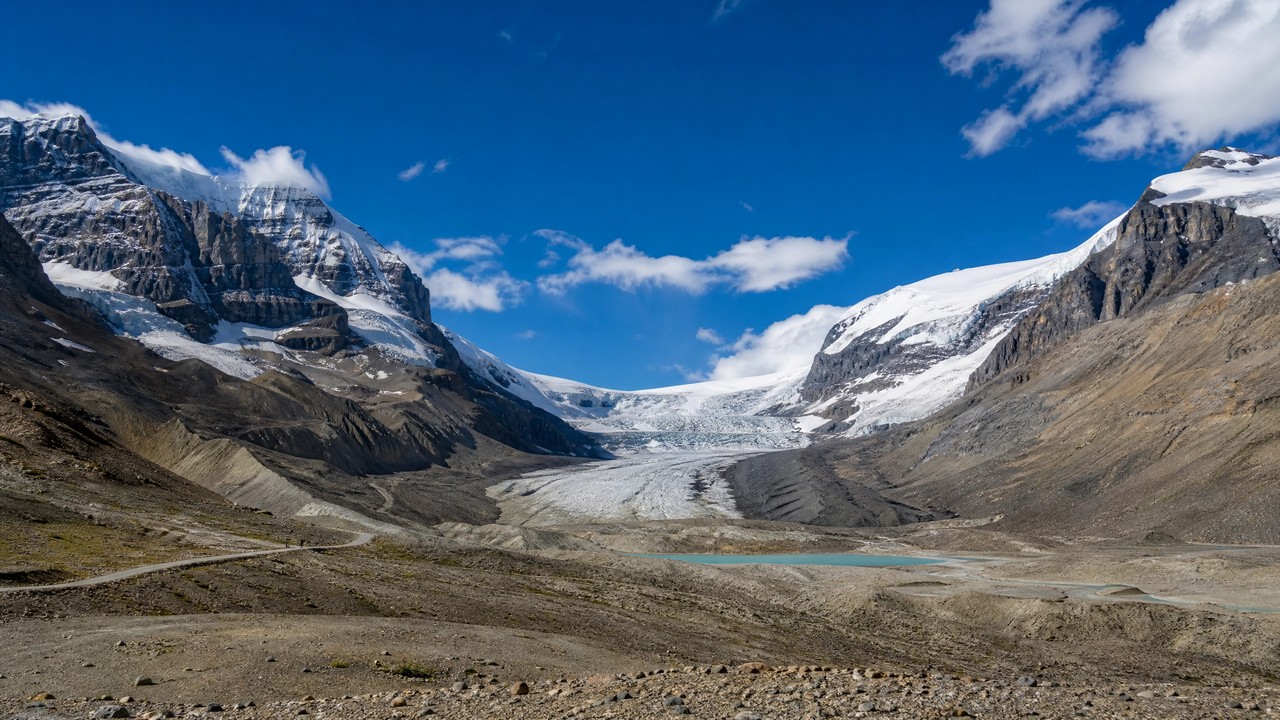
Set in the Valley of the Ten Peaks, Moraine Lake is one of the Rockies' signature lakes. The water is at its most vivid in summer, which makes it a fixture on photographers' itineraries.
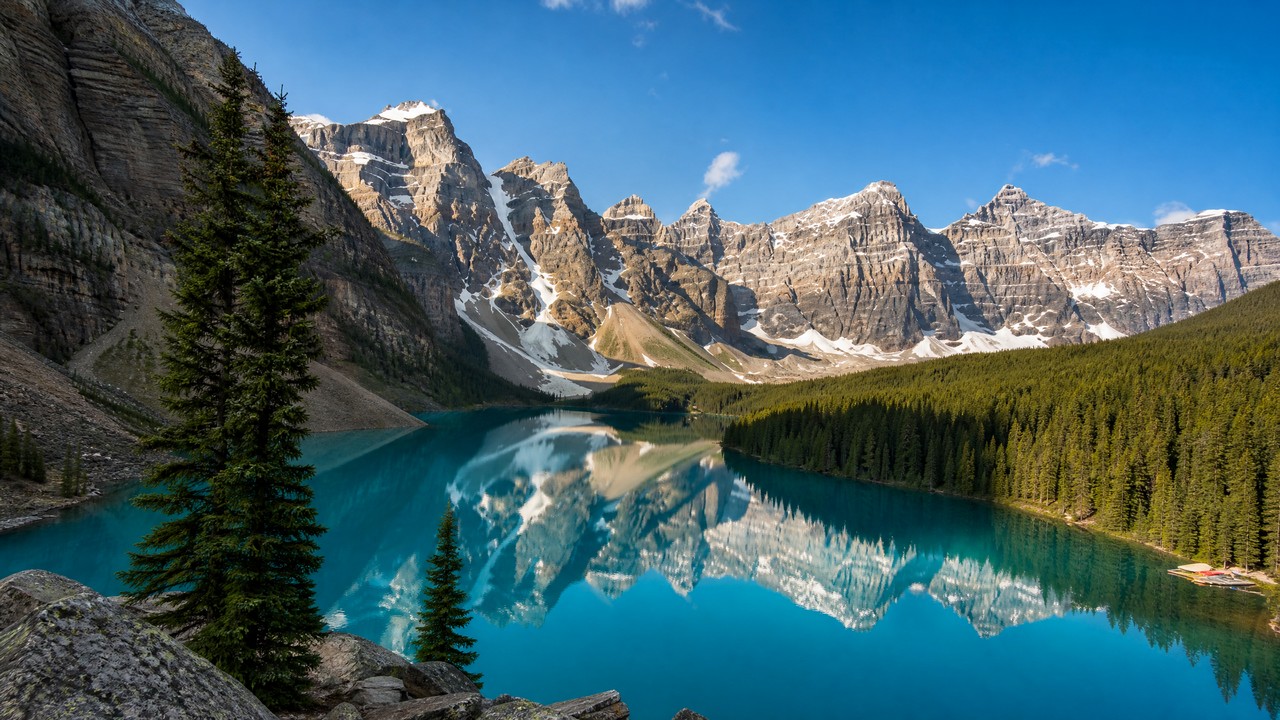
One important exception: the Moraine Lake road is closed to private vehicles year-round. Visitors normally reach the lake by Parks Canada shuttle or with a licensed commercial operator. Shuttle service has to be planned and booked ahead — you can't treat it like a drive-up viewpoint.
Emerald Lake sits in Yoho National Park and lives up to its name. The lakeshore trail is easy to manage, which makes it a good fit for families and anyone who wants a low-effort nature stop.
Summer travel tips
- Allow 6–8 days for Banff, Lake Louise and Yoho National Park.
- If you plan to hike, July through mid-September usually offers more established high-alpine trail conditions than early summer.
- Confirm shuttle arrangements for Moraine Lake, Lake Louise and other popular lakes in advance.
- Summer lodging demand is high, so book Banff and the surrounding area early.
- Mountain weather turns fast. Pack a jacket and rain gear even in July.
Parks Canada's 2026 shuttle schedule lists Lake Louise lakeshore service from May 15 to October 12 and Moraine Lake from June 1 to October 12, weather permitting. Operating calendars change from year to year, so check the official information for your travel year.
Fall (September–October): Canada's Peak Foliage Season
Fall in Canada means red maples, gold forests and lake scenery, and Ontario and Quebec are the most popular regions for it.
The timing of the color change isn't fixed. Northern and high-elevation areas usually turn first, then the wave moves south and downslope.
For a first fall trip, mid-September to mid-October is a reasonable planning window, but the actual peak dates depend on that year's foliage reports.
Where to see fall color in Canada
Algonquin Provincial Park
Algonquin is one of Ontario's best-known protected areas and the signature fall destination in eastern Canada.
In fall you can hike forest trails, take in the lakes and shoot nature photography. Tree species and elevation vary across the park, so different sections peak at different times.
Ottawa
The capital has Parliament Hill, the National Gallery and historic architecture, and in fall its parks and riverfront are made for walking.
Montreal
Montreal blends French-influenced architecture, historic districts and contemporary city life. In fall, head to the Old Port, Mount Royal Park and the neighborhood restaurants.
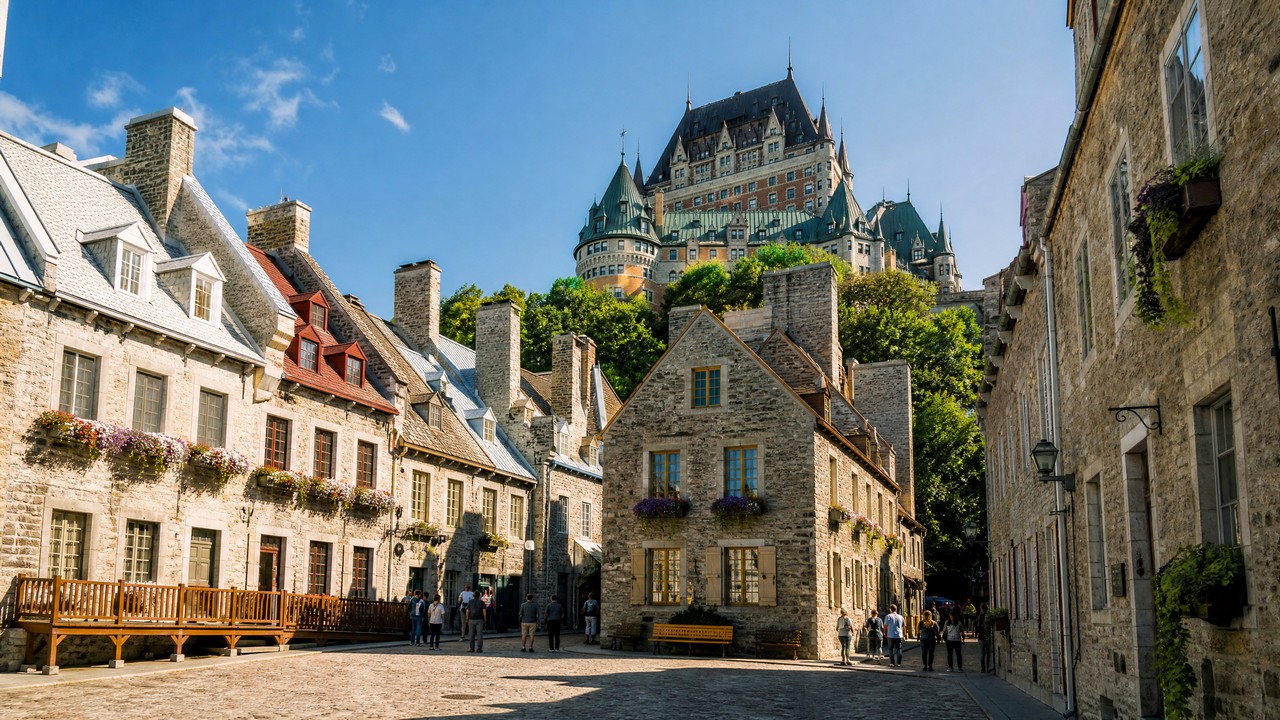
Old Quebec has European-style buildings and streets. In fall you can pair a walk through the walled city with forest, lake and mountain scenery nearby.
Fall foliage tips
- Aim for late September to early October in Algonquin, then adjust based on that year's report.
- In Quebec and the surrounding area, watch the last days of September and the first week of October.
- If city scenes are the priority, put Montreal and Quebec City on the same route.
- Weekends and peak foliage draw crowds, so plan transport and lodging ahead.
Ontario Parks publishes a live Fall Colour Report showing the dominant color, percentage of change and leaf fall for individual parks. Check it the week before you leave and again during the trip, rather than relying on last year's dates.
Winter (November–March): Skiing, Snow Activities and the Northern Lights
Winter travel in Canada works nothing like summer. If you're into snow sports, winter photography or cold-weather scenery, the season has plenty to offer.
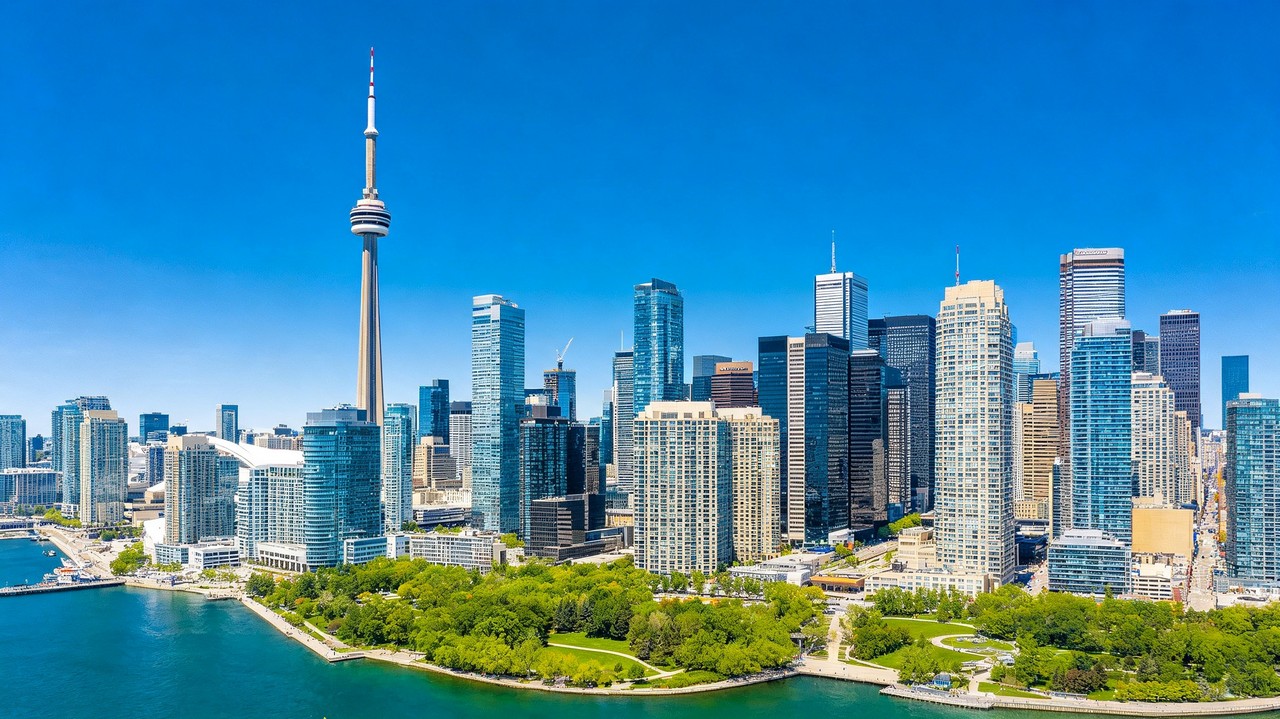
Yellowknife
Yellowknife, in the Northwest Territories, is one of Canada's most popular aurora destinations.
The main experiences here:
- Nightly aurora viewing.
- Aurora photography.
- Dog sledding.
- Ice fishing.
- Snowmobiling.
- Yellowknife's local culture and sightseeing around Great Slave Lake.
Destination Canada notes that the Yukon's aurora season typically runs from late August to early April. The Northwest Territories has both a fall and a winter viewing window.
Winter nights are long, which makes multi-night viewing practical. Cloud cover, snowfall and solar activity all affect what you actually see, though — no tour operator can guarantee a sighting.
Plan 4–5 days in Yellowknife with at least three nights of viewing, so a stretch of bad weather doesn't wipe out the whole trip.
Whistler is Canada's best-known ski resort destination, with skiing, snow activities and mountain resort life all in one place in winter.
Banff in winter
Winter in Banff means skiing, hot springs, town sightseeing and snow-covered mountain photography. Just don't assume the famous summer lakes and hikes translate directly — check road, trail and attraction status before you go.
3. West, East or North: How Do the Best Times Differ?
Canada is too big for one region's calendar to apply nationwide.
| Region | Key destinations | Best months | What it's for |
|---|---|---|---|
| Western Canada | Vancouver, Banff, Yoho, Jasper | June–September | Mountains, lakes, national parks |
| Eastern Canada | Toronto, Ottawa, Montreal, Quebec City | September–October | Fall color, historic cities |
| Northern Canada | Yellowknife, Yukon, Churchill | Late August–April | Aurora, ice and snow, wild landscapes |
| Pacific coast | Vancouver, Vancouver Island | Spring, summer and fall | Coast, cities, parks, outdoor activity |
If your vacation is only 7 days:
Pick one region. Don't try to squeeze Vancouver, Banff, Toronto, Montreal and Yellowknife into a single trip.
Distances between regions are long, and crossing the country means domestic flights, airport transfers and extra hotel nights.
If you want to combine west and east, budget 10–14 days or more and decide on domestic legs based on the actual flight schedules.
4. How to Plan a 7–11 Day Canada Itinerary: Three Current Tours, Day by Day
All three routes below are Usitour tours currently on sale. Itineraries and prices come from the product pages, so you can match them directly against your travel month and vacation length. Prices are per person, from, in USD; the daily rate and inclusions on the product page are final.
Option 1: 5 Days in the Rockies (Calgary In, Vancouver Out)
Best for: first-time visitors to western Canada who want Banff and the Icefields Parkway and have about five days.
| Day | City/Area | Highlights |
|---|---|---|
| Day 1 | Calgary | Arrive in Calgary, airport pickup and hotel check-in |
| Day 2 | Banff | Banff National Park, Johnston Canyon, town of Banff |
| Day 3 | Banff | Bow Lake, Peyto Lake, Icefields Parkway |
| Day 4 | Banff–Vernon | Lake Louise, Moraine Lake |
| Day 5 | Vernon–Vancouver | Kelowna, Okanagan Lake, arrive in Vancouver |
This route strings the Rockies' two core national parks, four signature lakes and the Icefields Parkway into one line with no backtracking. Lake Louise and Moraine Lake fall on Day 4, when weather and shuttle conditions are usually best; Moraine Lake still requires a Parks Canada shuttle booking.
Product: 5-Day Calgary In, Vancouver Out Rocky Mountains Tour: Two Major National Parks + Four Major Lakes + Icefields Parkway | Banff + Jasper + Lake Louise + Moraine Lake + Peyto Lake + Bow Lake | Drive on World-Class Scenic Highway — from US$875 per person

Option 2: 11 Days on the Eastern Canada Maple Route (Toronto In and Out)
Best for: travelers on a dedicated fall foliage trip who want nature plus four historic cities and have 10 days or more.
| Day | City/Area | Highlights |
|---|---|---|
| Day 1 | Toronto–Port Hope–Kingston | Airport pickup in Toronto, Port Hope, historic Kingston |
| Day 2 | Kingston–Thousand Islands | Thousand Islands cruise and shoreline scenery |
| Day 3 | Thousand Islands–Montreal | Old Port and downtown Montreal |
| Day 4 | Quebec City | Old Quebec, the city walls and Rue du Petit-Champlain |
| Day 5 | Quebec City–Canyon Sainte-Anne | Canyon Sainte-Anne, return to Quebec City |
| Day 6 | Quebec City–Ottawa | Parliament Hill and downtown Ottawa |
| Day 7 | Ottawa–Algonquin–Huntsville | Fall color in Algonquin Provincial Park |
| Day 8 | Huntsville–Muskoka | Bethune Memorial House, Hardy Lake, Lake Muskoka |
| Day 9 | Muskoka–Toronto | Return to Toronto |
| Day 10 | Toronto–Niagara Falls | Niagara Falls cruise, helicopter flight over the falls |
| Day 11 | Toronto | Toronto city tour, airport transfer |
The foliage payoff comes on Days 7–8: Algonquin and the Muskoka area usually turn about a week ahead of downtown Toronto, which puts them at the right point in the route.
Product: 11-Day Maple Viewing Tour in Eastern Canada: Toronto + Montreal + Quebec + Ottawa + Canyon Sainte-Anne + Algonquin Park + Niagara Falls Cruise + Helicopter Bird's-Eye View of the Falls — from US$2,236 per person

Option 3: 5 Days Chasing the Aurora in Yellowknife
Best for: travelers whose main goal is the northern lights, with some northern winter activity on the side.
| Day | City/Area | Highlights |
|---|---|---|
| Day 1 | Home–Yellowknife | Arrive in Yellowknife, evening aurora viewing |
| Day 2 | Yellowknife | Town tour, evening aurora viewing |
| Day 3 | Yellowknife | Free time or optional add-ons (dog sledding, snowmobiling, ice fishing) |
| Day 4 | Yellowknife | Free time, evening aurora viewing |
| Day 5 | Yellowknife–Home | Airport transfer and departure |
The tour includes four aurora chases, both wilderness and camp viewing modes, aurora photography service and a Canada Goose level-5 parka rental. Three or more viewing nights covers more weather than a single night can.
Product: 5-Day Winter Yellowknife Aurora Tour: 4 Aurora Chases + Wilderness & Camp Dual Mode + Free HD Aurora Photography with Watermark-Free Originals | Yellowknife City Tour + Optional Activities (Dog Sledding, Snowmobile, Ice Fishing) + Canada Goose Level 5 Cold-Weather Gear — from US$1,006 per person

Note: itineraries, inclusions and prices for all three tours are subject to the product page on the day you book. Seasonal activities — fall foliage, aurora viewing, lake shuttles — depend on weather and aren't guaranteed.
5. What Does a Trip to Canada Cost?
What you spend varies widely with your departure city, travel month, hotel class, transport and group size.
Rather than quote a fixed number that goes stale, budget by category:
| Cost category | What you're paying for | What moves the number |
|---|---|---|
| International airfare | Round-trip flights to Canada | Departure city, season, how far ahead you book |
| Getting around Canada | Rental car, rail, domestic flights | Distance, vehicle type, booking timing |
| Hotels | City hotels, resort properties | Peak season, location, number of guests |
| Attractions | National parks, museums, sightseeing | Which sights and which ticket type |
| Shuttles and transfers | Moraine Lake and other popular lakes | Operating dates, reservation availability |
| Local tours | Guides, transport, lodging, activities | Departure date, inclusions, group size |
| Food and insurance | Meals, travel insurance | Personal spending, level of coverage |
Seasonal budget priorities
- Rockies in summer: book lodging and transport around the popular lakes early.
- Fall foliage: demand concentrates in Algonquin and around the popular cities.
- Winter aurora: budget for cold-weather gear, local viewing tours and several nights of lodging.
- Spring city trips: watch live airfare and hotel rates and stay flexible on dates.
When you compare independent travel with a local tour, don't stop at the headline price. Check whether park passes, shuttles, hotels, meals and guide service are included.
6. Independent Travel or a Local Tour?
The right approach depends on the region.
Independent travel works well if you:
- Have a longer vacation.
- Are comfortable driving abroad.
- Want to control your own pace.
- Plan to stay put in one city or region.
A local tour works well if you:
- Are visiting Canada for the first time and don't know the roads.
- Want to cover several sights in a short window.
- Would rather not deal with mountain parking, shuttles and intercity transfers.
- Are heading to Yellowknife and want an organized night aurora program.
Banff, Moraine Lake and Lake Louise are the clearest cases: shuttle and transport reservations need to be sorted before you arrive. A local tour removes some of that planning, but confirm actual time at each stop, meeting points and what's included.
For eastern Canada's city routes, rail, local day tours and a mix of modes all work if you'd rather not drive.
7. Before You Book: Visas, Shuttles and Other Practicalities
Visas and entry requirements
Chinese passport holders need to confirm whether a Canadian visitor visa, transit visa or another entry document applies to them. Some travelers may qualify for an electronic travel authorization or another special category — holding a US visa does not by itself mean you can enter Canada visa-free.
Verify the latest requirements on the Immigration, Refugees and Citizenship Canada (IRCC) website before departure.
Book Moraine Lake transport in advance
The Moraine Lake road is closed to private vehicles year-round.
Check Parks Canada shuttle reservations, operating hours and licensed commercial transport before your trip. Don't wait until you're in Banff to figure out how you'll get in.
Use live foliage reports
Fall color arrives at different speeds across the country.
Follow Ontario Parks' Fall Colour Report for conditions in Algonquin and other provincial parks. Don't rely on a fixed calendar month to tell you whether you've hit peak.
Don't promise yourself an aurora sighting
The aurora is a natural phenomenon shaped by solar activity, cloud cover, snowfall and local light pollution.
When you compare Yellowknife or Yukon aurora packages, check how many viewing nights are included, whether transport is covered, whether cold-weather gear is provided and what happens if the weather turns.
Mountain weather and wildlife
The Rockies can drop in temperature or see snow even in summer. Check trail conditions, the forecast and park advisories before you set out.
If you encounter bears, elk or other wildlife, keep your distance. Don't approach, feed or chase them for a photo.
8. Canada Travel FAQ
Q1: What's the best month to visit Canada?
There's no single best month for the whole country. For Banff's peaks and glacier lakes, June through August; for fall color in eastern Canada, mid-September to mid-October; for the aurora in Yellowknife, late August through early April.
Q2: When should a first-time visitor go?
If mountains, lakes and national parks are the priority, aim for July or August. If fall color and city culture appeal more, late September to early October. Adjust for your region and vacation dates.
Q3: When is the best time for fall color in Canada?
Ontario and Quebec peak from roughly mid-September to mid-October. In Algonquin Provincial Park, focus on late September to early October, but check that year's park report — temperature and weather shift the dates.
Q4: How many days do I need in Yellowknife for the aurora?
Plan 4–5 days with at least three nights set aside for viewing. More nights improve your odds of clear skies, but nobody can guarantee a sighting.
Q5: Can I drive to Moraine Lake myself in summer?
No. The Moraine Lake road is closed to private vehicles year-round. Book a Parks Canada shuttle or travel with a licensed commercial operator.
Q6: Is April–May a good time to visit Canada?
It's good for cities, food and museums, less reliable for natural areas. Some mountain areas still hold snow and some seasonal attractions may not be open. Stick to cities and low-elevation destinations.
Q7: Can I see both western and eastern Canada in one trip?
Yes, but you need the time. Allow 10–14 days or more and use domestic flights to connect the regions. With only seven days, pick one region — it makes for a much easier trip.
Q8: What else is worth doing in a Canadian winter besides the aurora?
Skiing, dog sledding, snowmobiling, ice fishing and snowshoeing. Banff, Whistler and Yellowknife each offer a different version of winter, so match the destination to your interests.
9. Official Sources for Planning Your Trip
Canada travel depends on seasonal openings, shuttle reservations, weather and natural cycles. Check these official sources before you go:
- Parks Canada – Banff National Park: Lake Louise and Moraine Lake shuttle options and reservations.
- Parks Canada – Hiking: Banff hiking season, trail conditions and mountain safety.
- Ontario Parks Fall Colour Report: live foliage conditions in Algonquin and parks across Ontario.
- Destination Canada: aurora destinations, viewing seasons and experiences across Canada.
- Immigration, Refugees and Citizenship Canada (IRCC): visas, entry documents and current application requirements.
10. The Takeaway: Pick the Season First, Then the Route
The most important question isn't which months are cheapest — it's whether your dates match the scenery you came for and the itinerary that gets you there.
For the Rockies' peaks and glacier lakes, aim for June through August. For eastern Canada's red maples, watch the mid-September to mid-October window. If the aurora is the whole point, plan for late August through early April and leave enough nights for viewing.
If your vacation time is limited, choose the region and the must-see stops first, then decide between independent travel and a local tour. Confirming park openings, transport reservations, lodging and visa requirements ahead of time saves you the cost and hassle of reworking plans on the road.
Usitour offers destination guides and local tour information worldwide. When you're planning a Canada trip, you can keep exploring Banff, eastern Canada's fall routes, the Yellowknife aurora and other Canadian itineraries by departure month, destination and trip length.
Official references
-
Parks Canada: Lake Louise and Moraine Lake transport in Banff National Park
https://parks.canada.ca/pn-np/ab/banff/visit/parkbus/louise -
Parks Canada: Banff National Park hiking information
https://parks.canada.ca/pn-np/ab/banff/activ/randonnee-hiking -
Ontario Parks: Fall Colour Report
https://www.ontarioparks.ca/fallcolour -
Destination Canada: Where to See the Northern Lights in Canada
https://travel.destinationcanada.com/en-us/things-to-do/where-see-northern-lights-canada -
Destination Canada: Where to See Fall Colours in Canada
https://travel.destinationcanada.com/en-us/things-to-do/fall-colors-canada -
Government of Canada: Immigration and Citizenship
https://www.canada.ca/en/services/immigration-citizenship.html
Note: Seasonal months are general planning guidance. Park openings, shuttle operations, visa policy and event schedules are subject to official announcements at the time of travel.


